Tronlink wallet is a self-custody TRON wallet for TRX, TRC tokens, staking, and DApp access
Tronlink wallet is a decentralized wallet built around the TRON network, giving users local control of private keys while handling TRX, TRC-10, TRC-20, and TRC-721 assets. It runs as a mobile app and browser extension, supports TRON staking resource workflows, connects to DApps through TronWeb, and extends the browser version to EVM networks including Ethereum, BSC, and BTTC.
That combination makes it more specific than a generic crypto wallet . The main experience is tuned for the way TRON works: transfers need bandwidth, smart contract activity consumes energy, staking TRX creates voting power and resource access, and DApps expect a wallet that understands TRON addresses and signing. The wallet also keeps the self-custody model visible because account creation, signing, and recovery revolve around the user's mnemonic, private keys, and local device security.
TRX, TRC-10, TRC-20, and TRC-721 in one TRON account
The most common reason to use Tronlink wallet is simple asset handling on TRON. TRX is the native coin for transfers, fees, staking, and voting. TRC-10 tokens are issued directly on TRON with lightweight token rules. TRC-20 tokens follow a smart contract token standard similar in purpose to ERC-20, and they include many stablecoin and DeFi assets on TRON. TRC-721 covers non-fungible tokens.
The wallet presents these assets through one account structure, so a user signs transfers from the same address while the chain records token movement by contract or token type. That matters when receiving assets from an exchange or another wallet: a TRON address starts with T, and the asset must be sent on the matching network. Sending a TRC-20 token to an address on another chain creates a recovery problem, even when the token ticker looks familiar.
Resource delegation is part of the wallet workflow
TRON does not treat every transaction as a simple gas payment in the same style as Ethereum. The network uses bandwidth for ordinary transfers and energy for smart contract execution. Staking TRX gives an account access to resources and voting rights, and those resources support transfers, swaps, contract interactions, or delegated activity.
Tronlink wallet exposes this resource model inside the user flow rather than hiding it behind a vague fee estimate. Users see why a transaction consumes energy, why a transfer requires bandwidth, and why staking or receiving delegated resources changes the cost profile. The same account also participates in Super Representative voting, which connects staking activity with network governance.
How signing works with DApps and TronWeb
When a TRON DApp asks for a connection, the wallet supplies the account address and signs requested transactions after the user reviews them. DApps commonly rely on TronWeb, the JavaScript library used by TRON developers, to request account data, prepare transactions, and send signature prompts to the wallet.
This is where self-custody becomes practical. The DApp builds the action, the wallet displays the approval step, and the private key stays inside the wallet environment. A swap, stake, token approval, game transaction, or NFT transfer reaches the blockchain only after the signature is produced by the wallet. Token approvals deserve extra attention because they grant a contract permission to move a defined token balance from the address.

Mobile app, browser extension, and Ledger support
The mobile app suits everyday TRON transfers, account checks, voting, and DApp browsing from a phone. The browser extension fits desktop DApp use, especially when a protocol expects an injected wallet connection. Together they cover the two main ways people interact with Web3: quick account management on mobile and deeper contract activity on a larger screen.
That said, Tronlink wallet also supports HD wallet behavior, multiple accounts, and Ledger Live importing through Bluetooth in supported setups. A hardware wallet pairing changes the signing path because the private key stays on the Ledger device while the interface handles account display and transaction preparation. That arrangement is useful for larger balances, team operations, or accounts that sign less frequently.
Where EVM network support fits
The extension adds support for heterogeneous EVM networks, including Ethereum, BSC, and BTTC. This does not turn TRON assets into Ethereum assets by itself; it means the same wallet interface manages accounts across different execution environments. The user still chooses the active network before signing, and the destination chain determines the address format, fees, token contracts, and DApp compatibility.
BTTC is especially relevant because it connects to the broader TRON ecosystem while using EVM-style tooling. Ethereum and BSC support make the extension more useful for users who move between TRON stablecoins, EVM DeFi, and cross-chain applications. The multichain HD structure keeps account management more organized because one mnemonic derives accounts across supported networks.
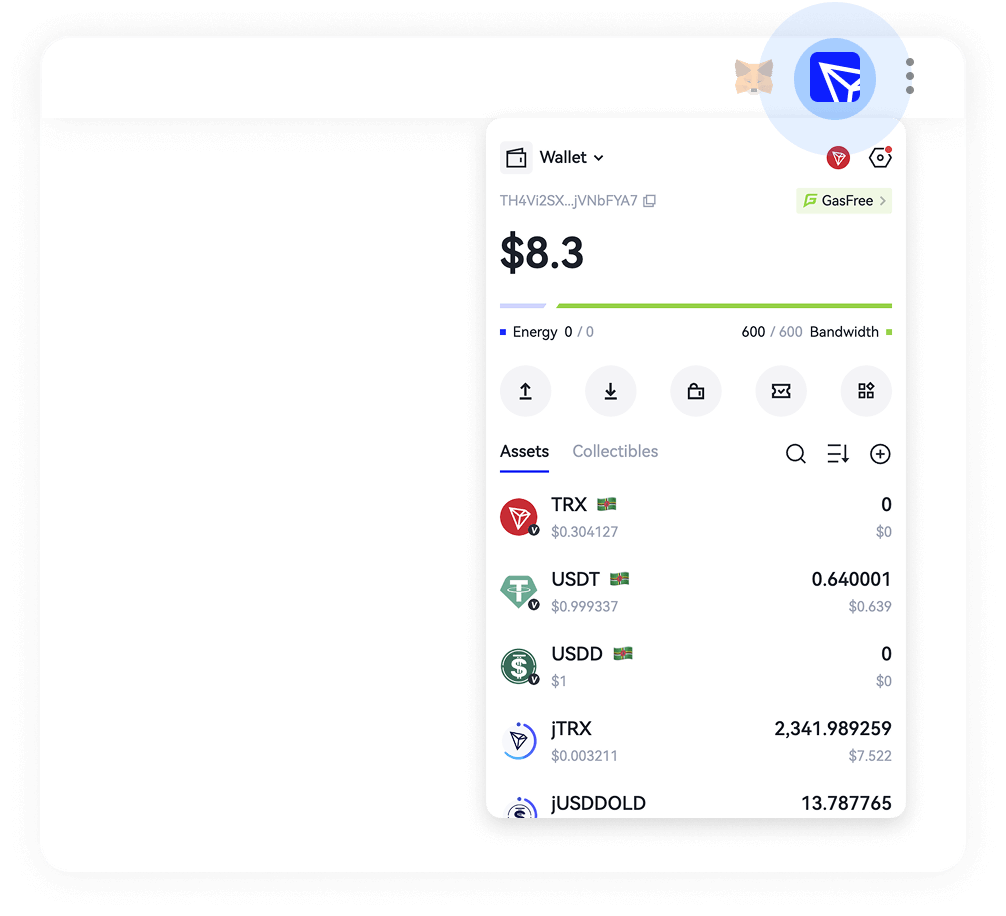
Starting a new wallet without losing the recovery path
A new user normally begins by installing the app or extension, creating a wallet, writing down the recovery phrase, setting a password, and checking the receiving address before moving funds. The recovery phrase is the highest-value item in the setup. Whoever controls it controls the accounts derived from it, so it belongs offline in a durable place rather than in screenshots, cloud notes, or chat messages.
After setup, a small TRX test transfer verifies that the address, network, and sending platform match. From there, the account is ready for TRC-20 tokens, staking, voting, DApp connections, and NFT activity. Tronlink wallet also allows imported accounts, which is useful when moving an existing TRON address into a new device or when managing separate accounts for savings, DApps, and frequent transfers.
The strongest everyday uses
Many users keep this wallet for stablecoin transfers on TRON because TRC-20 assets are widely supported by exchanges and payment workflows. Others use it for staking TRX to obtain resources, voting for Super Representatives, or interacting with DeFi protocols that run on TRON. NFT collectors use TRC-721 support for account-level visibility and transfers.
These are the workflows where the wallet's TRON focus shows most clearly:
- Sending and receiving TRX between exchanges, wallets, and TRON addresses.
- Managing TRC-20 tokens such as stablecoins issued on TRON.
- Staking TRX for bandwidth, energy, and voting participation.
- Connecting to TRON DApps that request wallet signatures.
- Viewing and transferring TRC-721 NFT assets from the same account environment.
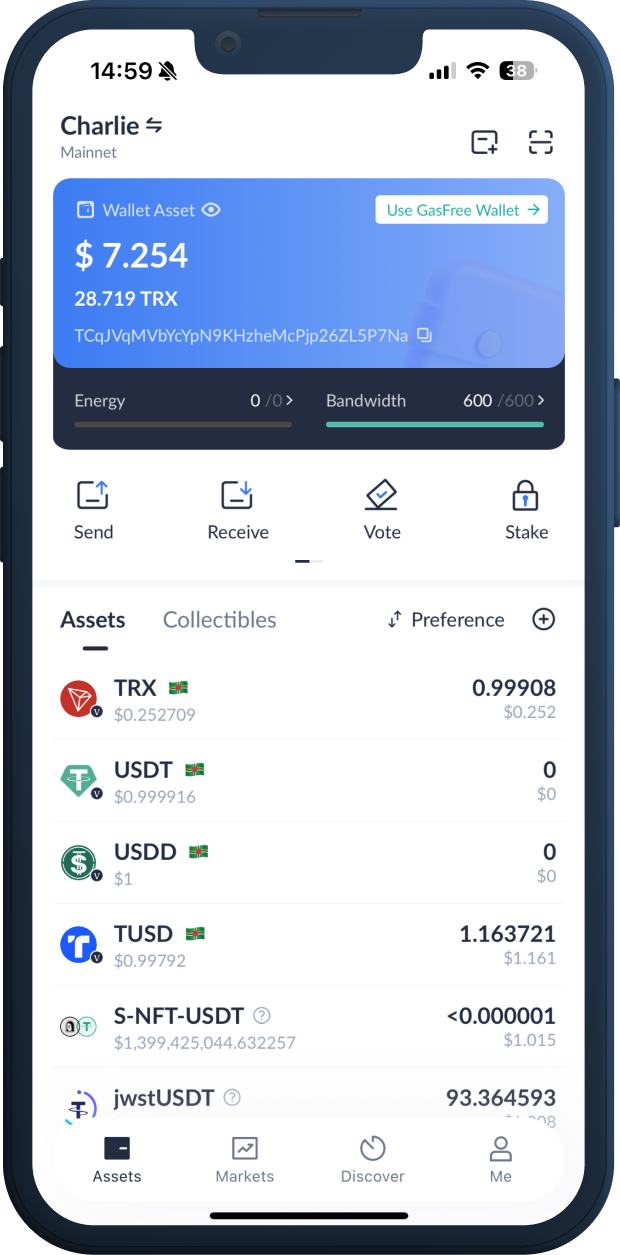
Security features that matter during real transactions
More broadly, Tronlink wallet stores private key data locally and applies layered encryption around the wallet environment. The official product emphasizes running-environment checks, transaction-data protection, hot and cold wallet options, multisignature support, node switching, and automatic reconnection. Those features address different failure points: device compromise, confusing transaction prompts, account access control, and unreliable node connectivity.
Multisignature is important for shared custody because more than one account participates in asset control. That design fits business wallets, family treasury arrangements, or project teams where one person should not be the only signer. Node switching also matters during congestion or endpoint problems because the wallet needs a reliable path to read balances, broadcast transactions, and confirm the current state of an account.
Trust Wallet, MetaMask, and TronLink for different jobs
Wallet choice depends on the chain and workflow. Trust Wallet covers many networks from a mobile-first interface and works well for broad asset storage. MetaMask dominates EVM DApp connections on Ethereum and many EVM chains. TronLink is the specialized option for TRON users because it understands TRON resources, TRC token standards, Super Representative voting, and TronWeb-based DApp signing.
That distinction becomes obvious when a user handles TRON staking or resource delegation. A general wallet may show balances and transfers, but the deeper TRON account operations need an interface shaped around bandwidth, energy, and vote management. Tronlink wallet is strongest when the main activity happens on TRON and the user wants extension or mobile access without giving up self-custody.
Things people ask about Tronlink wallet
What fees apply when sending TRC-20 tokens with TronLink?
TRC-20 transfers consume TRON network resources, mainly energy for contract execution and bandwidth for transaction data. If the account has enough staked or delegated resources, the direct TRX cost drops. If resources are insufficient, TRX is burned to cover the transaction. The wallet shows the transaction details before signing so the user sees the network impact before broadcasting.
Can I recover a Tronlink wallet on a new phone?
Yes. A wallet created from a standard recovery phrase is restored by importing that phrase into the app or extension. The restored account derives the same TRON addresses from the same mnemonic. Recovery only works when the phrase is complete and in the correct order, so the phrase should be stored offline and protected from anyone who could copy it.
Does TronLink work with USDT on TRON?
Yes, the wallet supports TRC-20 tokens, and USDT issued on TRON uses the TRC-20 standard. The important detail is the network selection on the sending platform. USDT exists on multiple chains, but a TRON deposit or withdrawal must use the TRON network and a compatible TRON address that starts with T.
Which browser is best for using the TronLink extension?
The extension is designed for desktop browser use where Web3 DApps need a wallet connection. Chrome-based browsers are the common choice for extension compatibility, while availability can vary by browser store and operating system. The practical requirement is a current browser that supports the official extension and allows DApps to request wallet signatures.
Is a Ledger required for TRON staking through TronLink?
A Ledger is not required for staking TRX, voting, or managing resources. The wallet supports normal self-custody accounts created or imported through a mnemonic. Ledger support adds a hardware signing option for users who want the private key held on a separate device while still using the wallet interface to prepare and review TRON transactions.
What happens if a TRON transaction stays pending?
A pending transaction usually means the wallet is waiting for network confirmation or a node has not refreshed the latest state. Node switching and auto reconnection help the wallet read and broadcast through another endpoint. If the transaction already reached the blockchain, the final status is determined by the transaction hash, not by the local loading state in the interface.
Do I need TRX before receiving TRC-20 tokens?
Receiving a TRC-20 token does not require the recipient to already hold TRX, but sending or interacting with that token later requires network resources or TRX to cover resource burn. Keeping a small TRX balance is useful because approvals, swaps, transfers, staking actions, and DApp transactions all need a way to pay for execution on TRON.